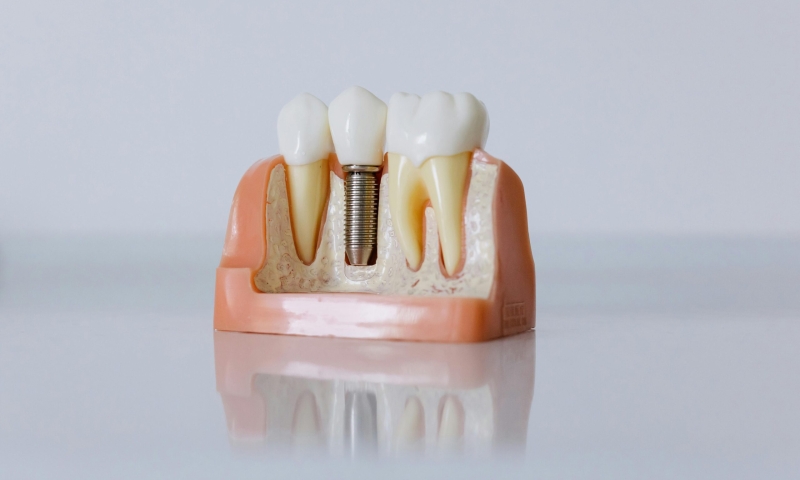
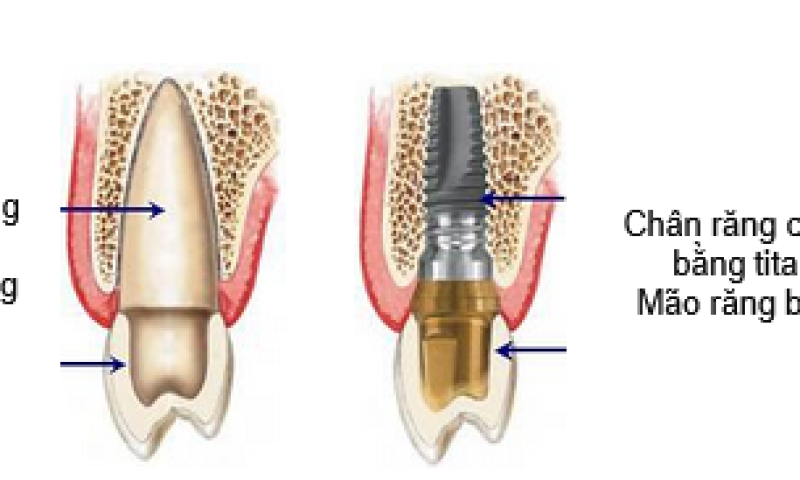
A simple way to understand dental implants is to compare them with natural teeth.
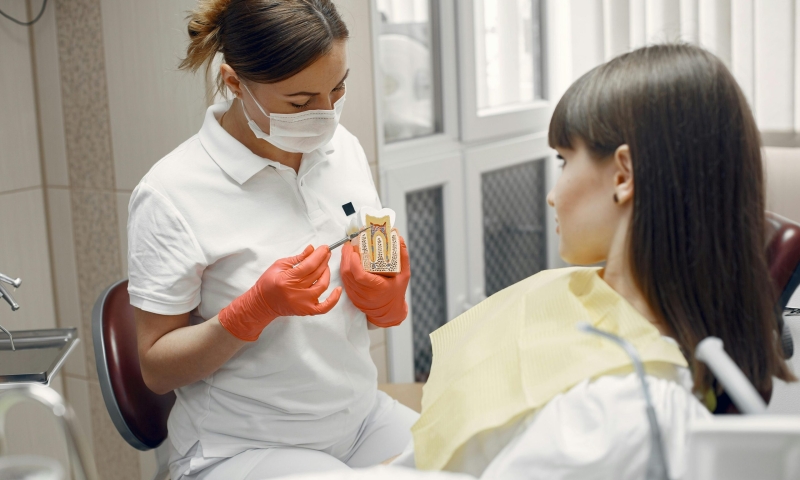
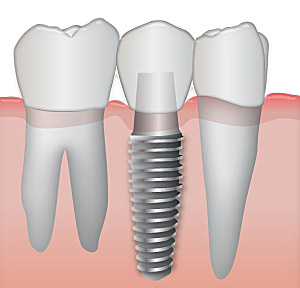
Natural teeth consist of the root (embedded in the jawbone) and the crown (the part of the tooth visible on the gum).
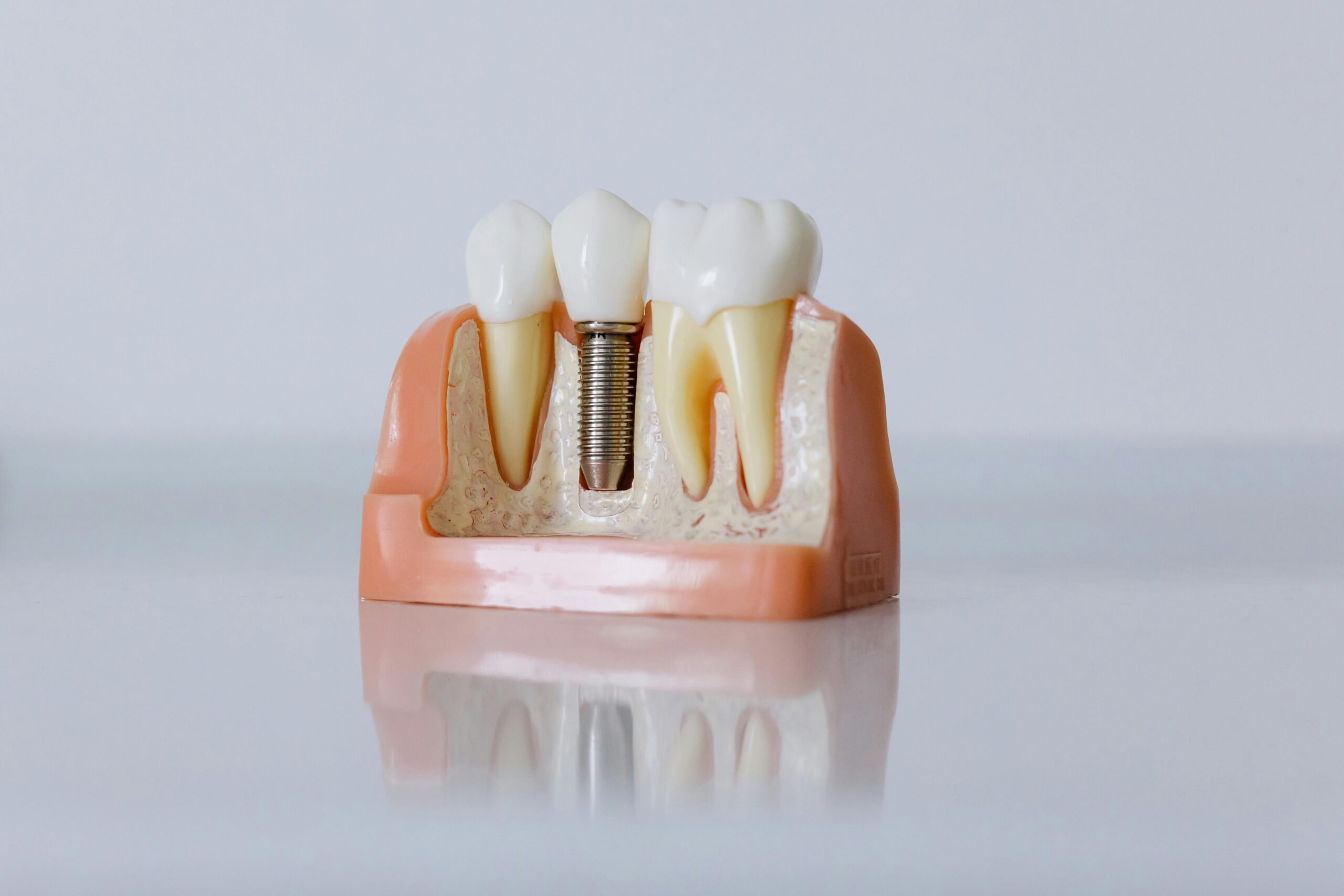
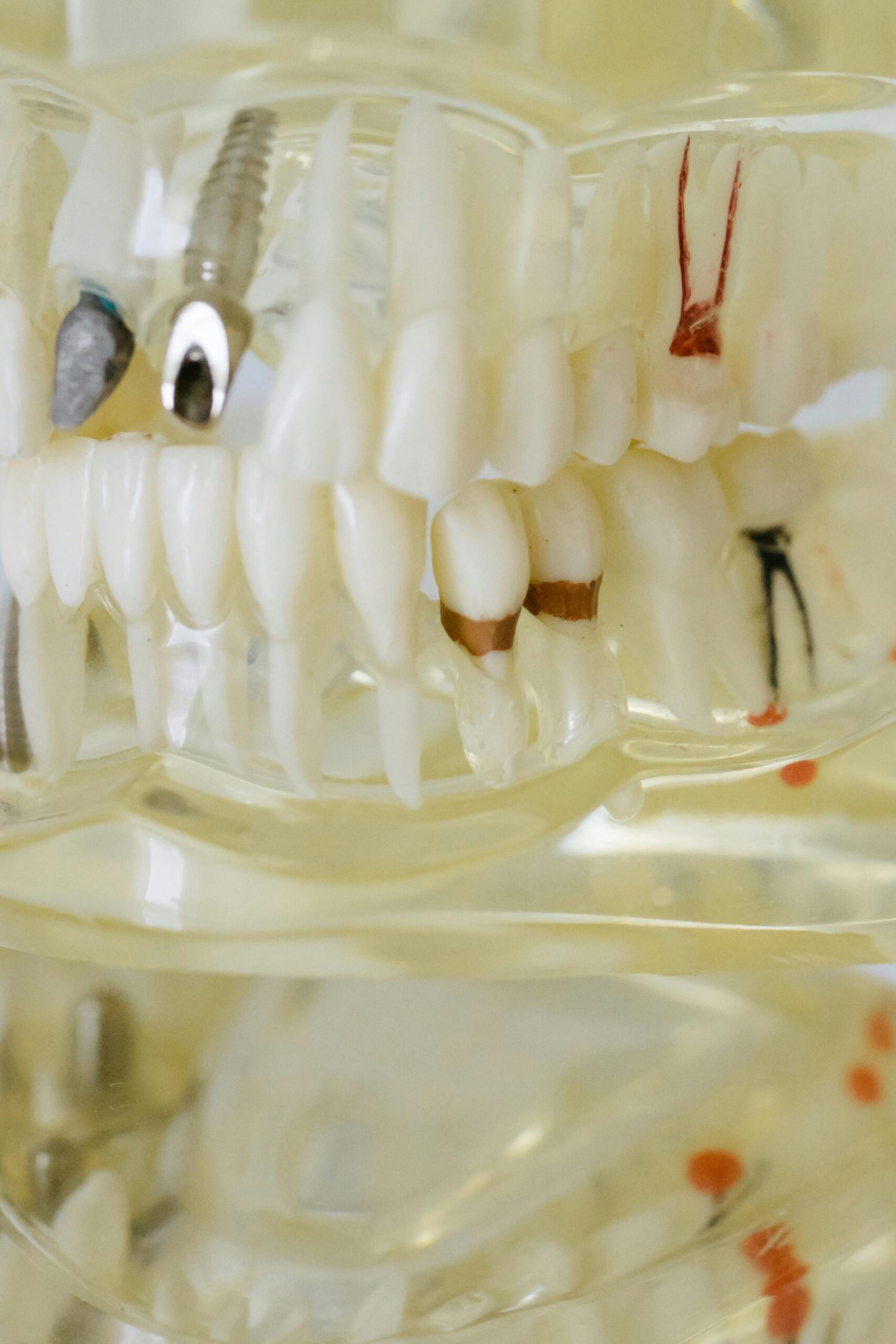
Dental implants are metal posts designed to replace missing teeth. This post is usually made of titanium and is surgically placed into the jawbone where the tooth is missing.
ADVANTAGES OF DENTAL IMPLANT
When planting an implant, there is no need to grind the adjacent real teeth to create a bridge, preserving the real teeth for the patient (when making a dental bridge, the real teeth must be ground down, and after a long period, these teeth can be damaged, such as gum recession, and when redone, more teeth may need to be ground down). In addition, this method helps prevent bone loss over time and makes it easy to clean between the teeth.
At the SAINT PAUL Dental Center, patients are always served by dedicated doctors with high professional expertise. Especially, the SAINT PAUL Dental Center is equipped with the latest generation 3D X-ray machine (Conebeam), allowing for CT scans right at the clinic, providing thorough consultations on specific treatment methods, duration, and suitable types of implants.
Inserting an Implant is just a simple minor surgical step:
Almost painless, no marks
No swelling
No bleeding
AFTER IMPLANT PLACEMENT
Patients are cared for to control any pain if present and temporary teeth are attached if necessary.
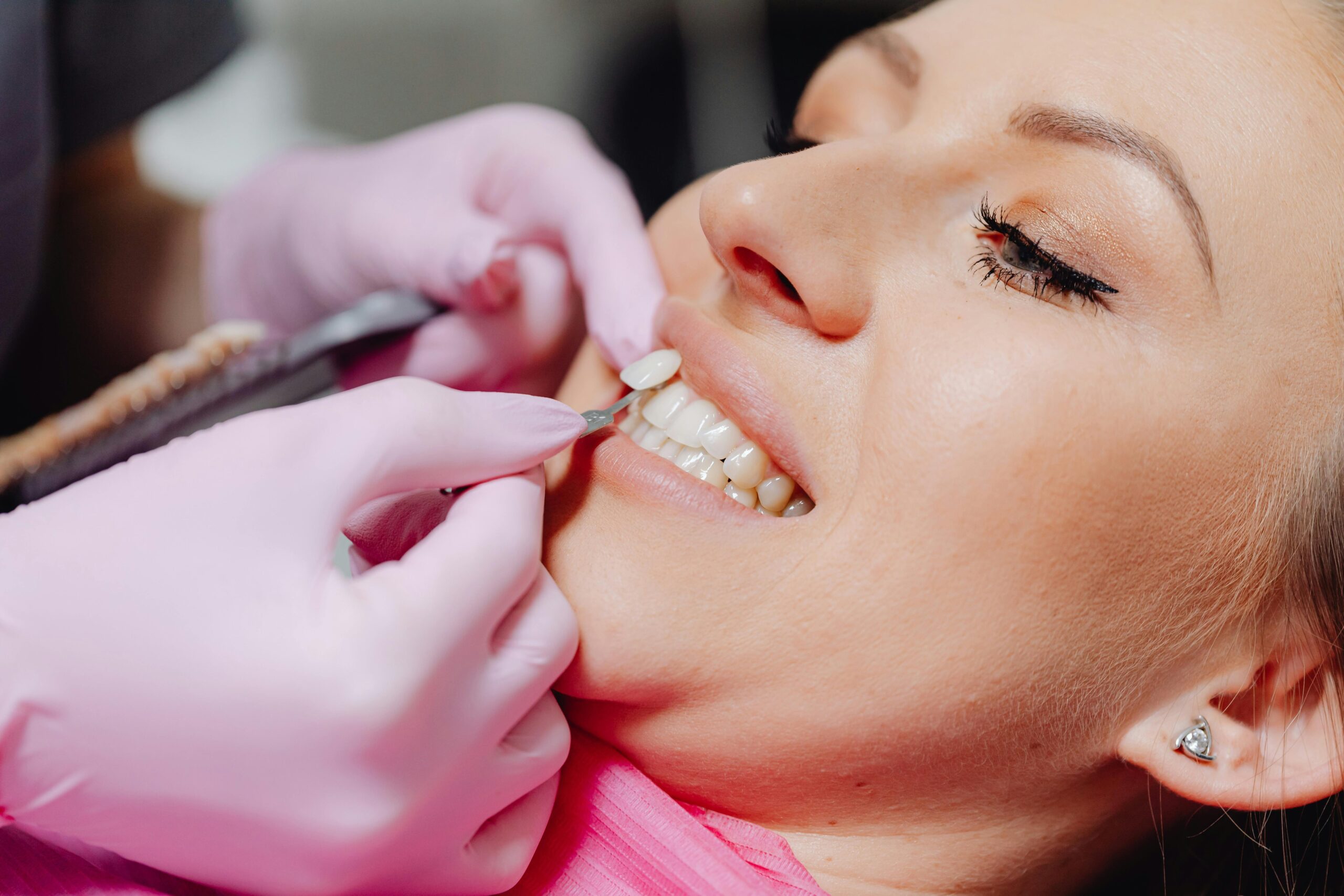
Usually, after 3 months for the lower jaw and 6 months for the upper jaw, the doctor will proceed to attach the porcelain crown to the implant post. At this point, the patient has almost completed the treatment and can chew normally as if using real teeth.
In some cases with good bone quality, implants will stabilized immediately after placement, and favorable occlusion, immediate crowns can be placed for the patient.