LASER (Light Amplification by Stimulated Emission of Radiation) was invented in the 1960s. However, it has only been developed and applied in various fields of science, technology, and life in the last nearly 10 years. Among these, the significant advancements in the application of LASER in the medical field in general and dentistry in particular must be mentioned.
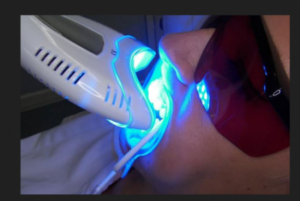
In the dental industry, LASER is considered a revolution in diagnosis and treatment due to its superior features. LASER technology allows dentists to perform dental procedures swiftly and accurately, from the diagnostic phase to in-depth intervention treatments!
The advantages of LASER include:
- More precise procedures, minimally invasive, and less damage to surrounding tissues. As a result, LASER treatment not only causes minimal bleeding but also has hemostatic properties, stimulating healing and speeding up the recovery process.
- Reduced infection risk because LASER is a high-energy beam that effectively eliminates bacteria in the treated areas.
- It causes almost no pain during treatment, thereby decreasing the need for anesthetics in most dental procedures, especially surgical interventions. This is a significant benefit for pain-sensitive patients and children.
- Shorter treatment time and fewer treat
- Stimulating tissue regeneration helps heal wounds quickly and reduces swelling and pain after surgical interventions.
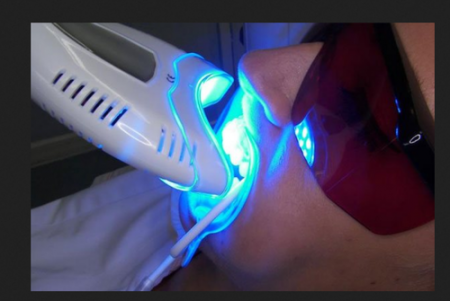
► In summary: LASER is an advanced treatment technique that offers many benefits to patients. Its greatest advantages are accuracy and minimally invasiveness, allowing patients to completely eliminate concerns about pain when undergoing dental procedures!