So far, lasers have been widely applied in many fields of science, technology, and daily life, particularly in medicine in general and dentistry in particular. A variety of dental laser devices have been put into practical use, actively assisting doctors in minimally invasive treatments. The applications of lasers in dentistry include:
Applications of lasers in soft tissue treatment:
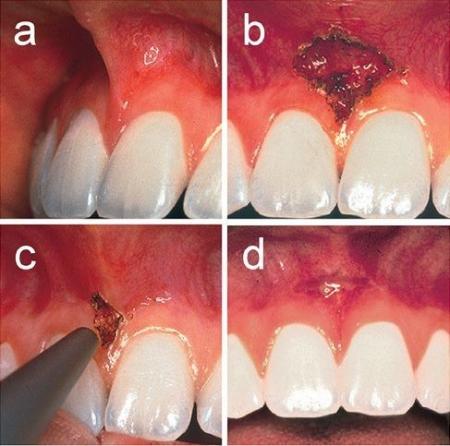
- Surgical removal of lip ties and tongue ties that are attached too low.
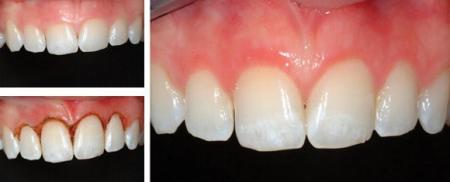
- Exposing the tooth body for orthodontic treatment; exposing the tooth body in cases of delayed tooth eruption due to hyperplastic gums.
- Gum contouring surgery; surgery to treat gummy smiles.
- Removing inflamed gums, exposing and extending the tooth body in cavity treatments.
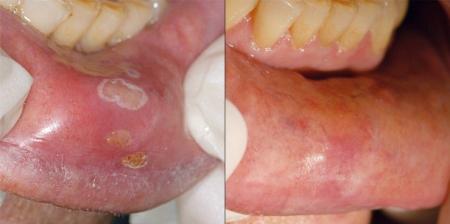
- Treatment of Aphtes ulcers and herpes lesions.
- Removing gums to treat pericoronitis caused by wisdom teeth.
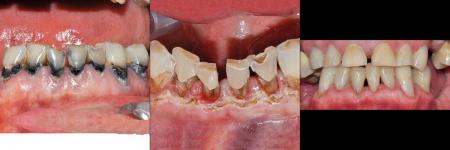
- Treatment of melanin pigmentation.
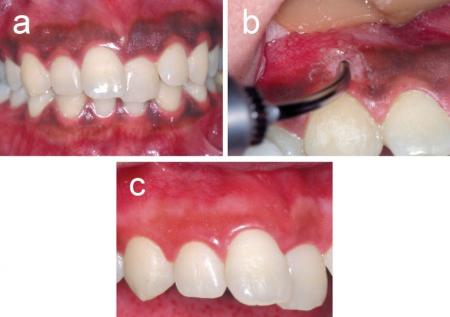
Applications of lasers in pulp treatment:
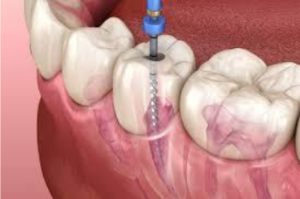
Removing dental pulp tissue and disinfecting the root canal helps speed up the healing process.
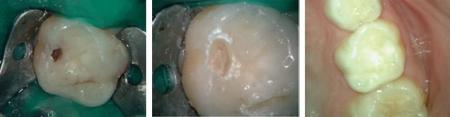
Applications of lasers in treating hard tissue:
Lasers prepare the cavity for filling through a thermal-chemical mechanism rather than a mechanical one like traditional drills, significantly reducing patient discomfort. The laser effectively affects the sensitivity of the dental dentin to the extent that cervical erosion lesions can be treated with lasers alone, without the need for filling materials unless for aesthetic reasons or significant loss of material.
Creating a cavity with a laser does not produce the uncomfortable noise associated with traditional high-speed drills, allowing patients to feel much more relaxed and alleviating fear, especially in sensitive individuals. Moreover, with the Surface Modification mode, the filling will be more durable thanks to the reliable adhesion of the material to the dent
Other applications in dentistry:
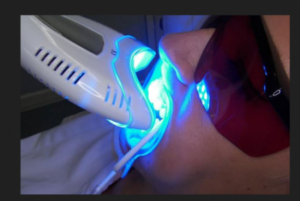
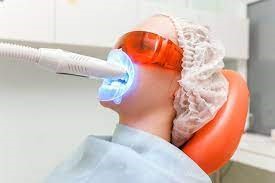
- Teeth whitening:
Accelerates the whitening process and minimizes sensitivity throughout the whitening procedure.
- Treatment of Temporomandibular Joint Disorders.
>> The advent of dental lasers has transformed treatment methods; it aids dentists in their procedures, reduces patients’ stress and fear; it supports dentists in performing less invasive dental interventions, minimizing pain during and after treatment, preventing infection, and resulting in little to no bleeding.