Porcelain veneers are one of the modern aesthetic restoration techniques that allow for the correction of various dental imperfections such as discoloration, gaps, chips, and slight misalignments… aiming to create a brighter smile with minimal tooth reduction, preserving the patient’s natural tooth structure.
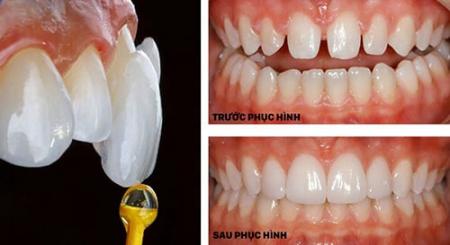
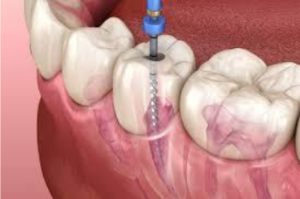
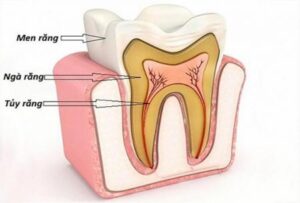
Unlike cosmetic porcelain crowns, patients will have to grind their teeth a lot and risk pulp extraction. When applying porcelain veneers, the dentist will only grind the outer surface of the tooth by about 0.3-0.6mm, and then apply a thin layer of porcelain to improve the patient’s aesthetic condition. Therefore, porcelain veneers are a minimally invasive treatment that helps preserve the natural teeth as much as possible while ensuring high aesthetics, causing little tooth sensitivity, not requiring root canal treatment, and maintaining the full chewing function for the patient.
Cases where Porcelain Veneers are applicable:
- Teeth are slightly spaced apart. Although it does not affect chewing function, the gaps and spaces in the teeth are very unappealing aesthetically.
- Teeth are cracked or chipped to a mild.
- Teeth are slightly misshaped
- Teeth are discolored.
- Tooth enamel is eroded.
Standard procedure for applying porcelain veneers at Saint Paul Dental Center:
After finalizing the treatment plan and obtaining the patient’s consent, the doctor will proceed with grinding and scanning the sample using the Trios3 Scan machine. The Scan file is sent to the lab for prosthetic design.
Try the veneer samples until the patient is satisfied with the color, shape, size, aesthetics… the lab will finalize the veneers according to the final sample.
Bonding veneers: When the veneers have been fully crafted, the doctor will use a special adhesive to bond them to the teeth, giving you a radiant new smile.
Follow-up: After 3-5 days, the doctor will conduct a follow-up aesthetic examination and adjust the bite (if necessary) to ensure long-term stability of the bite and the durability of the porcelain veneers for the patient.